Cities have always been shaped by how people live, work, and socialize, but in recent years, the way we design urban spaces has undergone a major shift. Walk through any modern city district today and you will notice a clear pattern emerging. Buildings are no longer just offices, or only residential towers, or purely retail centers. Instead, they blend multiple functions into one cohesive environment. This is the rise of urban mixed-use development, and it is rapidly replacing the old model of single-purpose buildings.
For decades, cities were built on separation. Offices were clustered in business districts, homes were pushed into residential zones, and shopping areas existed in their own bubbles. While this approach once made sense, it created cities that depended heavily on cars, long commutes, and rigid daily routines. As urban populations grew and lifestyles evolved, these limitations became harder to ignore.
Mixed-use development offers a different vision. It combines residential, commercial, retail, and recreational spaces within the same building or neighborhood. This approach reflects how people actually live their lives. Most of us do not want to travel long distances just to grab coffee, go to the gym, meet friends, or run errands. We want convenience, flexibility, and a sense of connection to our surroundings.
One of the strongest reasons mixed-use is replacing single-purpose buildings is efficiency. Land in cities is expensive and limited. When a building serves only one function, it often sits partially unused for large parts of the day. Office buildings empty out at night. Residential buildings go quiet during work hours. Retail spaces may struggle outside peak times. Mixed-use buildings solve this problem by keeping spaces active throughout the day and night, which makes far better use of valuable urban land.
Another important factor is the changing nature of work. Remote and hybrid work models have reduced the need for massive, single-use office towers. At the same time, people are looking for neighborhoods that support flexible schedules. Mixed-use developments allow professionals to live close to co-working spaces, cafés, and meeting areas without being tied to a traditional business district. This adaptability is something single-purpose buildings simply cannot offer.
There is also a strong social dimension to this shift. Mixed-use environments naturally encourage interaction. When people live, work, shop, and relax in the same area, they are more likely to engage with their community. Streets feel safer because there is constant activity. Local businesses benefit from steady foot traffic rather than relying on a single type of customer. Over time, these neighborhoods develop a unique identity that feels authentic rather than artificial.
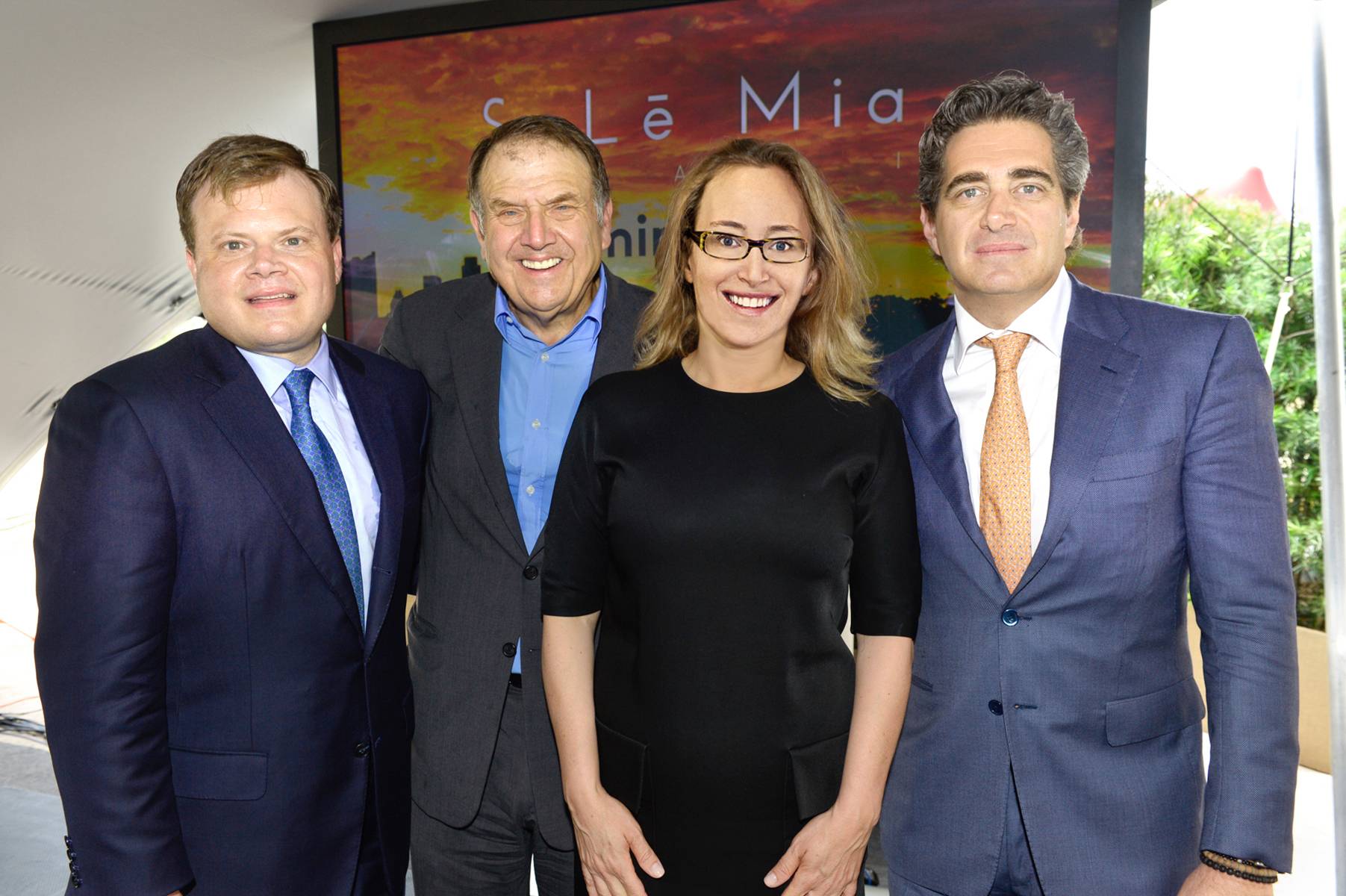
Midway through many discussions about modern urban development, examples from influential city projects often surface, especially when visual storytelling plays a role in shaping public perception. Developers and planners frequently reference real-world transformations, sometimes illustrated through materials like the Harry Lefrak New York photo, to show how integrated spaces can redefine skylines while still feeling human-scaled and livable.
Sustainability is another major reason mixed-use is gaining ground. Cities are under pressure to reduce carbon emissions, improve walkability, and limit urban sprawl. When people can meet most of their daily needs within a short walking distance, reliance on cars decreases significantly. Mixed-use developments support public transportation, cycling, and pedestrian-friendly design. Single-purpose buildings, on the other hand, often force long commutes and increased energy consumption.
Economic resilience also plays a role. Neighborhoods built around a single function are more vulnerable to market changes. A downturn in the office sector can leave entire districts struggling. Mixed-use areas spread risk across multiple activities. If retail slows down, residential demand may remain strong. If office needs change, entertainment or hospitality spaces can keep the area lively. This balance makes mixed-use developments more attractive to investors, city planners, and residents alike.
From a lifestyle perspective, preferences have clearly shifted. Younger generations value experiences over rigid routines. They look for places where they can seamlessly transition from work to leisure without losing time in transit. Mixed-use developments cater directly to this mindset. They offer convenience without sacrificing quality of life. Single-purpose buildings, by contrast, feel increasingly outdated and disconnected from modern urban needs.
Design innovation has also made mixed-use more feasible and appealing. Advances in architecture, soundproofing, vertical zoning, and smart building technology allow different functions to coexist comfortably within the same structure. Residents can enjoy quiet living spaces above vibrant commercial floors. Offices can operate efficiently alongside retail and dining without disruption. These design solutions were far more difficult to achieve in the past, which partly explains why single-purpose buildings dominated for so long.
Cities themselves are encouraging this transformation through policy and zoning reforms. Many urban governments recognize that mixed-use development supports economic growth, social cohesion, and environmental goals. By updating zoning laws and offering incentives, they are actively steering development away from isolated, single-use projects. This policy support further accelerates the decline of single-purpose buildings.
It is also worth noting how mixed-use spaces respond better to cultural shifts. Urban residents increasingly seek authenticity and local character rather than uniform, generic spaces. Mixed-use neighborhoods tend to support small businesses, local art, and community events. They feel alive and evolving, rather than static. Single-purpose buildings often lack this flexibility and struggle to adapt as tastes change.
Looking ahead, it is clear that urban mixed-use is not just a trend but a reflection of deeper changes in how cities function. As populations grow, work becomes more flexible, and sustainability becomes non-negotiable, the limitations of single-purpose buildings become more obvious. Mixed-use development offers a practical, human-centered alternative that aligns with modern values and urban realities.
In the end, cities are about people, not just structures. The spaces we build shape our daily experiences, our relationships, and our sense of belonging. By embracing mixed-use development, cities are choosing environments that are more efficient, more connected, and more responsive to real life. That is why urban mixed-use is steadily replacing single-purpose buildings, and why this shift is likely to define the future of city living for decades to come.